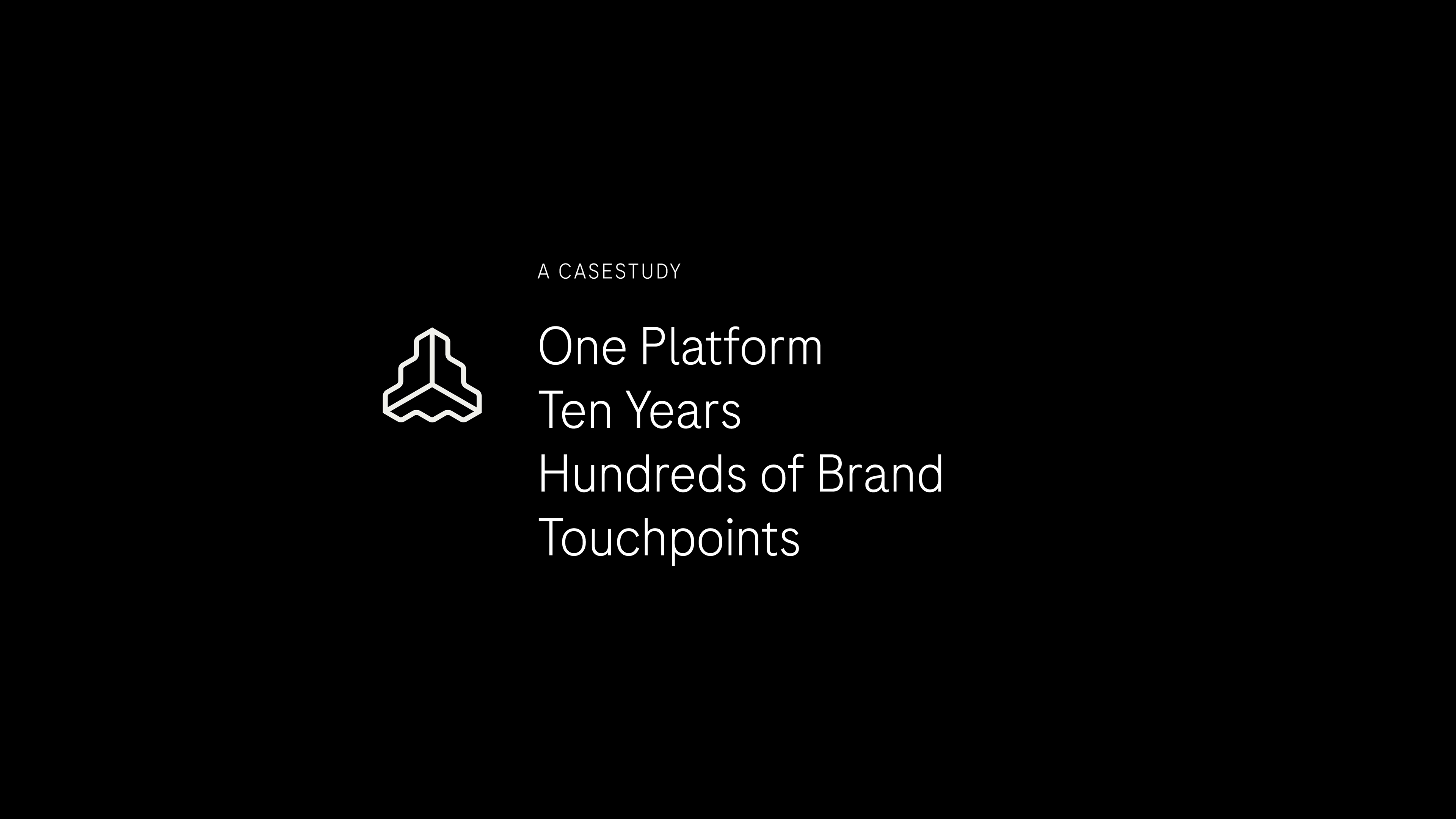
Some brands aren't maintained. They're built, evolved, and defended at enterprise scale.
For the past decade, we've worked alongside one of the world's most respected pharmaceutical companies doing exactly that — across a portfolio of product brands, distributed teams, and the kind of regulatory scrutiny that leaves no room for improvisation. The brief was never simply to design well. It was to design at scale, with governance, consistency, and speed carrying equal weight.
Frontify is where that ambition lives. As a Frontify Specialist Partner, our remit went beyond implementation. We architected a working brand ecosystem — guidelines, asset libraries, component systems, and workflow tools that allow hundreds of stakeholders to move quickly without drifting off-brand.
This is how we approached it.
Brand Guidelines
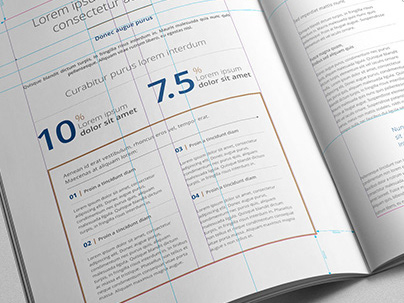
The challenge. A global pharmaceutical group with multiple product brands isn't managing a brand. It's managing an ecosystem. Each brand carries its own voice, its own visual identity, its own regulatory constraints, and all of it has to sit coherently within a parent architecture. Static PDFs were never going to hold that together. Guidelines aged badly, applied unevenly, and were impossible to enforce across markets.
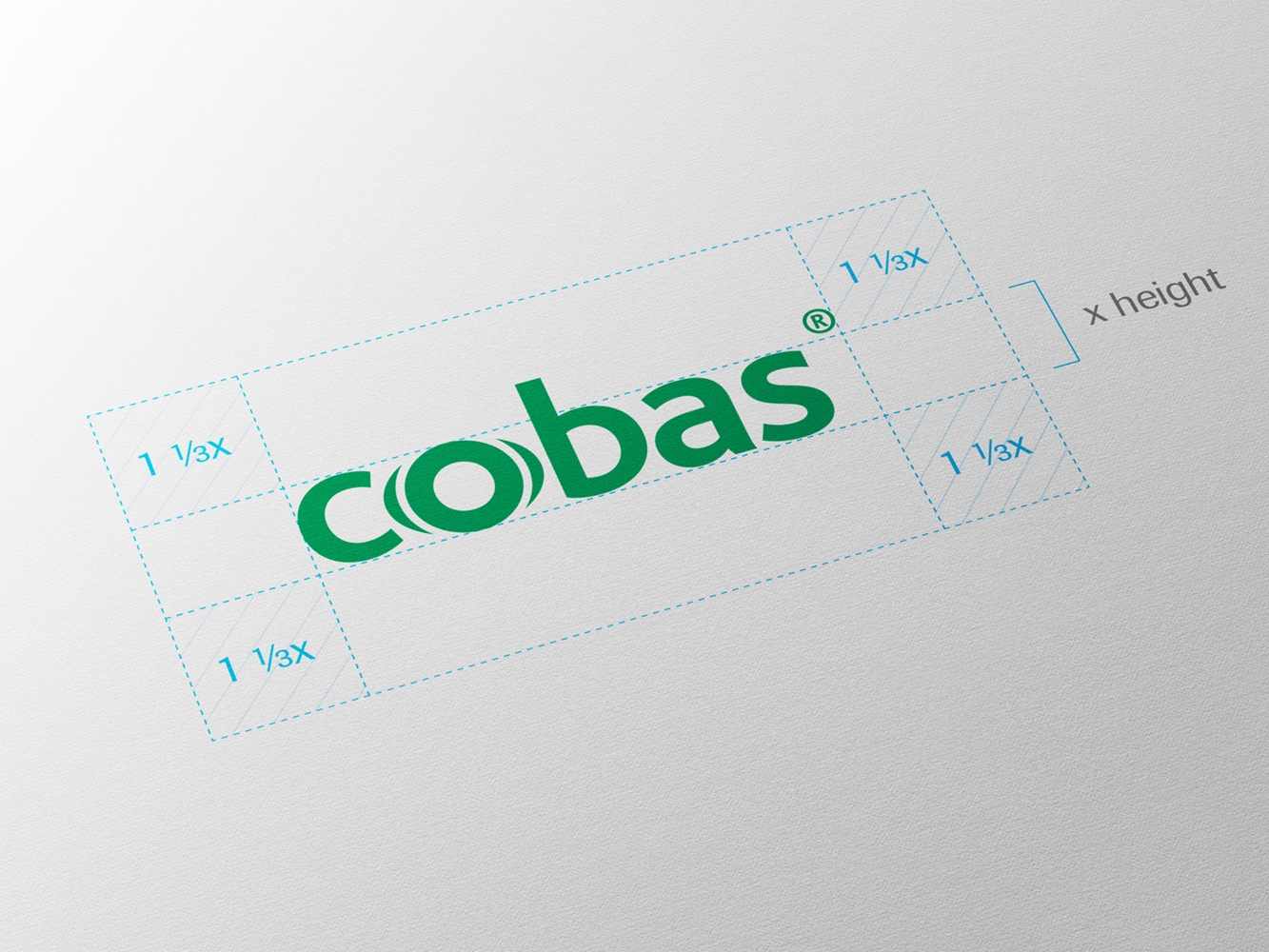
The solution. We built a layered guidelines system in Frontify. A corporate master tier governs the foundational rules: logo, typography, grid, palette, tone, iconography, illustration, motion. Each product brand inherits those fundamentals through its own portal and then expresses its own identity through brand-specific colour, imagery, and voice. Live examples, clear do's and don'ts, and brand films sit inside Frontify's page editor, giving teams something more useful than a manual.
The result. Guidelines became living documents teams could trust. When a brand evolves, the change propagates instantly — every stakeholder, every market, no version drift.
Digital Asset Management
The challenge. A decade of work means thousands of assets: logos in every conceivable format, localised campaigns, illustration sets, photography, iconography. Without a system, teams were duplicating files, working from outdated versions, or bypassing brand controls entirely just to meet deadlines.
The solution. We designed a DAM taxonomy built around how teams actually work — by brand, by market, by function, by campaign phase. Metadata, curated collections, and intelligent search meant a local marketer could find an approved product image in seconds. Permissions were calibrated by role: global brand teams with full access, regional teams with the precise scope they needed.
The result. Asset retrieval stopped being a bottleneck. Version control issues fell away. The "can you send me the latest logo?" email quietly disappeared
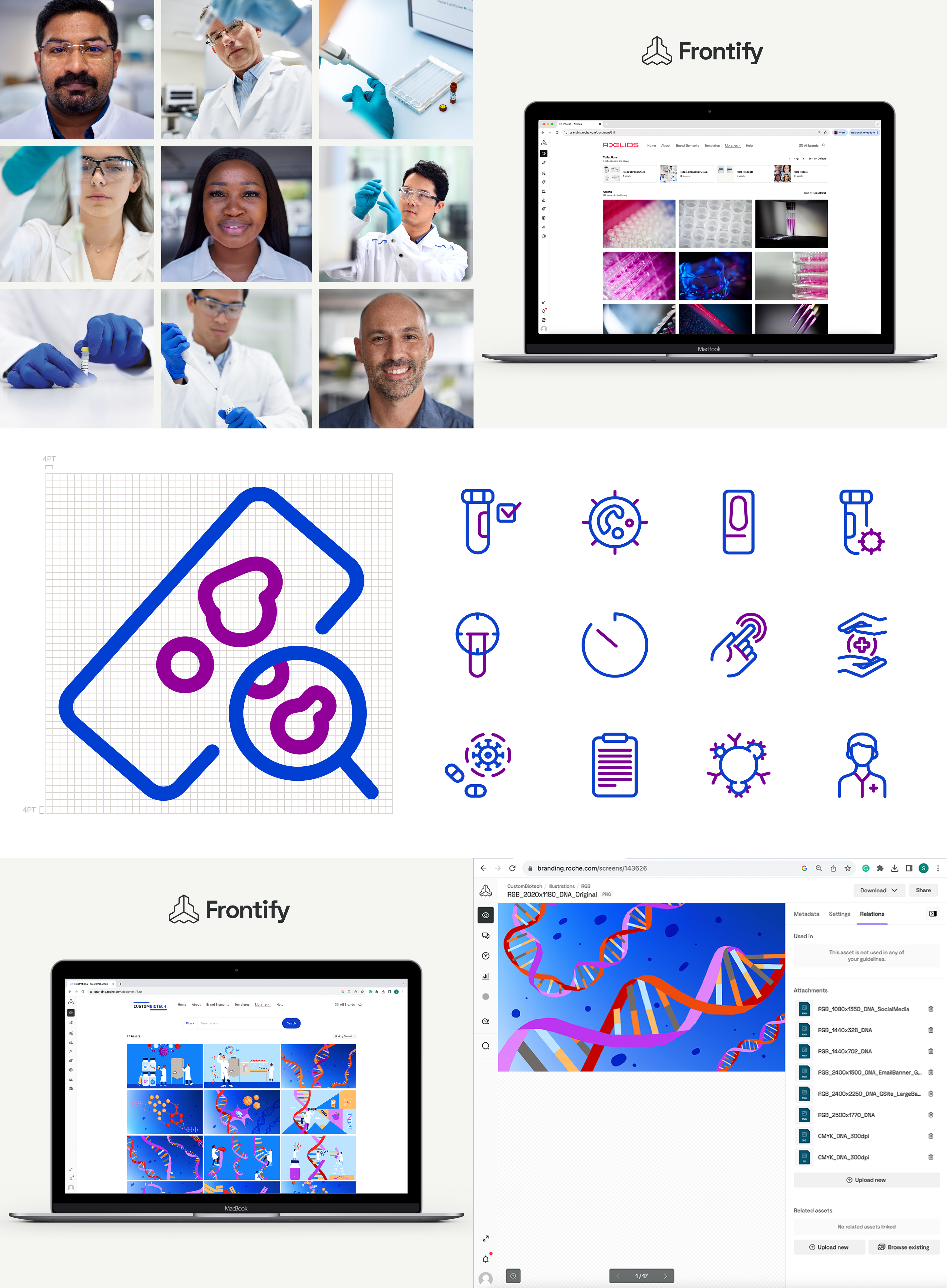
Brand Templates
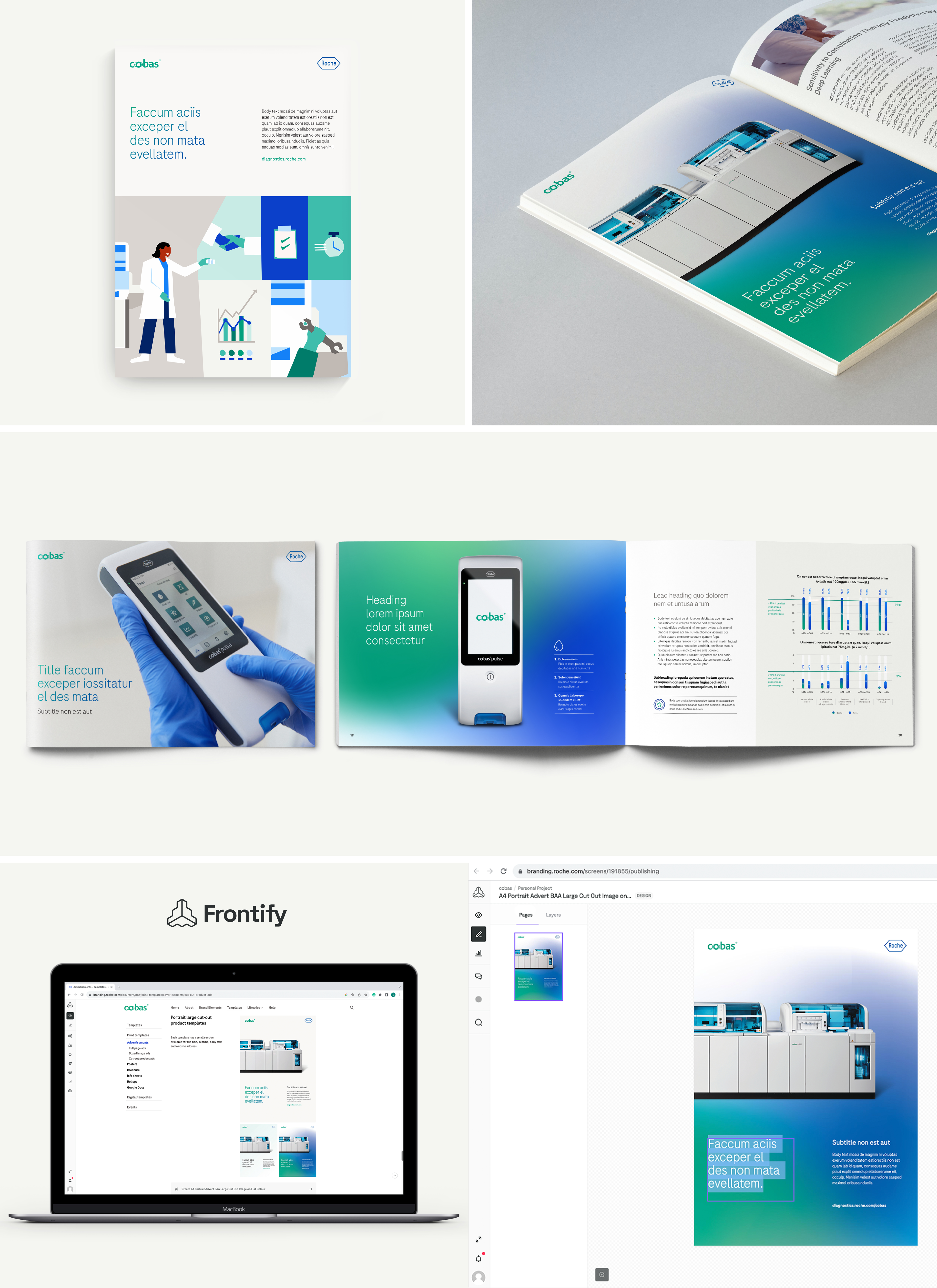
The challenge. Local teams needed to produce material — decks, social posts, event collateral, internal comms — faster than any central design team could deliver. But handing non-designers an empty PowerPoint is how brands quietly come undone. Fonts wander. Colours shift. Logos end up in places they shouldn't.
The solution. A templating system inside Frontify that gives local teams creative latitude within a defined design system. Locked elements — logos, legal copy, core typography — stay locked. Variable zones — headline, image, body — remain open to edit. We designed templates across formats and brands, each tuned to its product's visual language. The result is a self-service toolkit that feels enabling rather than restrictive.
The result. Local teams produce on-brand work in minutes. Product leads handle their own routine collateral. The brand holds. And the creative team's hours go back into the work that genuinely needs craft.
What Ten Years Taught Us
Brand management at enterprise scale isn't a design problem. It's a systems problem. The most valuable work we did wasn't a logo or an icon set. It was the infrastructure that lets hundreds of people across dozens of markets produce their best, most consistent work, every day, without needing to ask permission.
Frontify provided the platform. Ten years of iteration produced the architecture. What remains is a brand ecosystem as resilient now as it was ambitious at the start.